


Gone With The Cloud: What We Lost When We Stopped Holding Things

Updated: Feb 27
Hello Beautiful Souls,
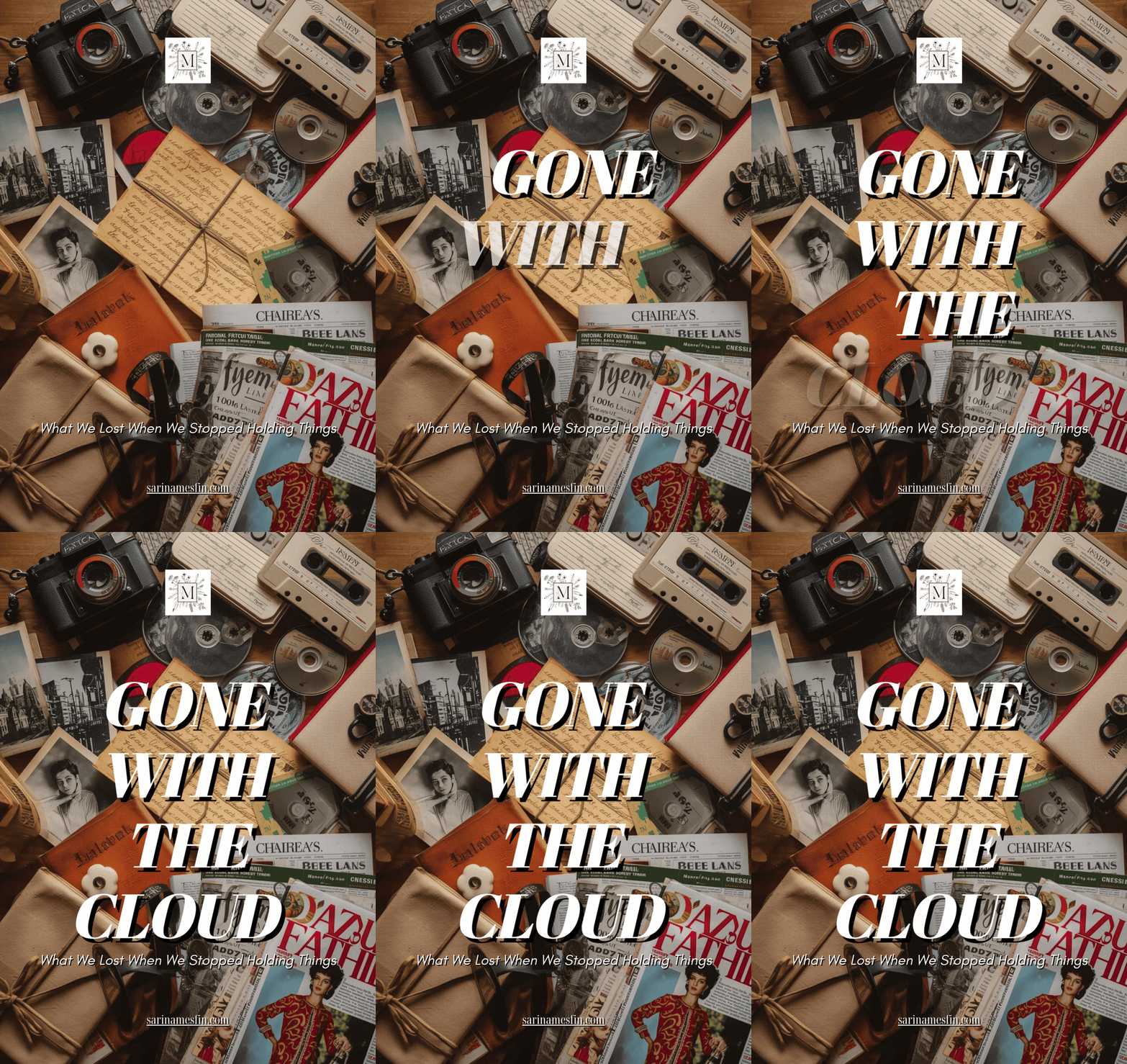
Lately, I've been going through boxes that my parents and grandparents have collected. And in it, I found - faded photographs with bordered edges, a stack of letters tied with string yarn, cassettes of mix-tape with a handwritten track list, and a hoard of loved books, with spines that cracked from re-reading.

That box is more than nostalgia; it’s a physical archive of a lived life. It exists independent of passwords, servers, or updates. No one can remotely edit its contents. No corporation can decide its license has expired.

Today, that box would be a folder on a cloud drive. A playlist on a streaming service. A library of e-books and PDFs. A series of text messages lost in an old phone. We traded tangibility for tidiness . We swapped ownership for access . And in doing so, we may have handed over something great without fully realizing the cost.
The "Rental" Life: Paying Perpetually to Borrow Our Own Culture
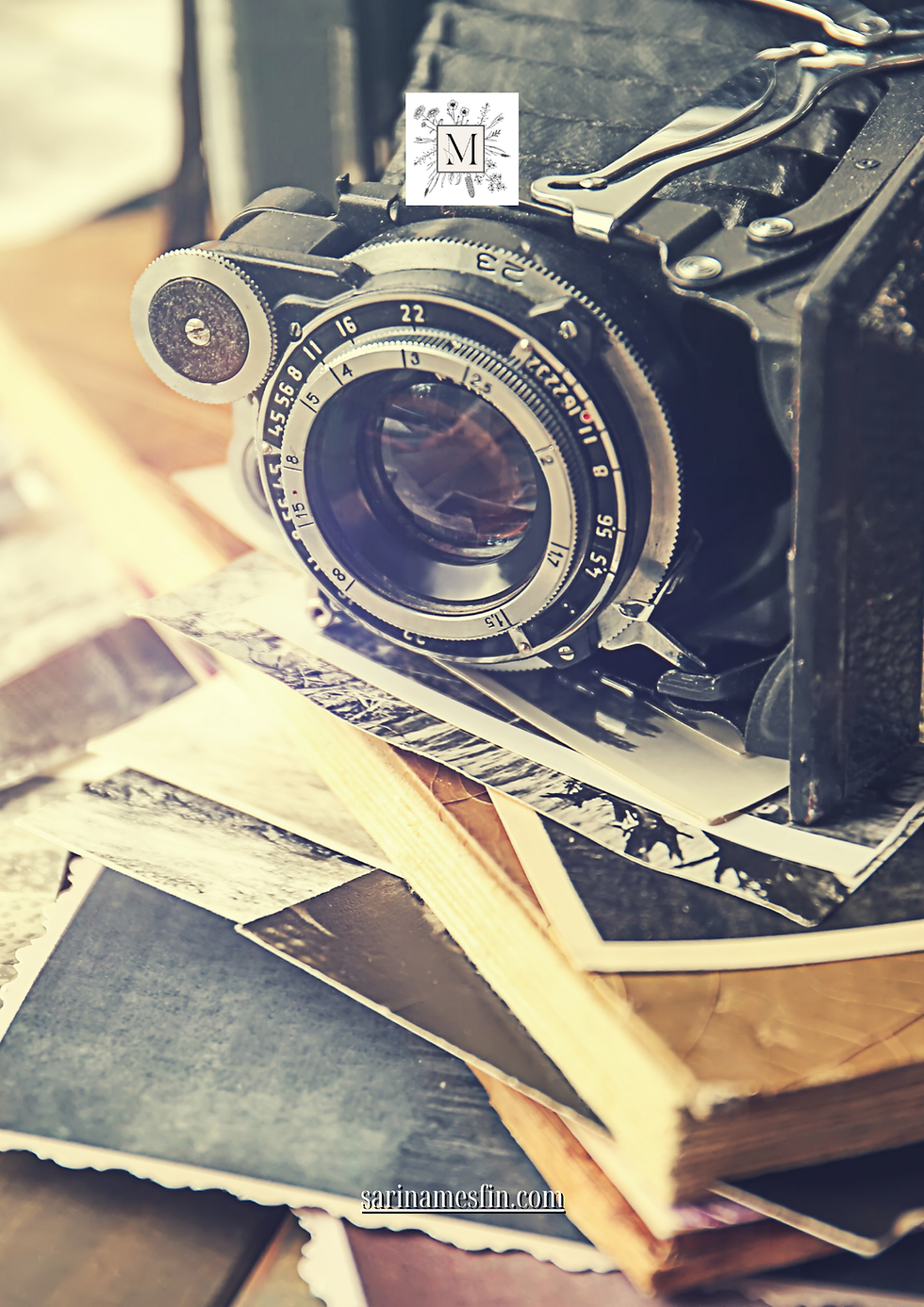
Think about it: We don’t own our music anymore. We subscribe to it. We don’t own our movies. We rent a temporary viewing right. We don’t own the news; we scroll through a dynamic, editable stream on a website. We don’t even own many of our own photos - they live on a platform whose terms we didn’t read.

We’ve entered the Non-Ownership Era. The ethos is minimalist and green: save space, save trees, reduce clutter. And on the surface, it makes sense. Why cut down a forest for newspapers that turn yellow in a week?

But the price is a subtle form of disempowerment. When we don’t own the artifact, we are always at the mercy of the provider. That album we love can vanish from the streaming service because of a licensing dispute. That article we want to reference can be silently edited or memory-holed after publication. Our entire digital library - our music, our books, our family photos - is one forgotten password, one service shutdown, or one ideological misstep away from being revoked or lost.

What happens when our life’s artifacts are simply licensed, not owned? It creates a world where our history, our culture, and even our personal memories are conditional - on corporate decisions, on internet connectivity, on the impulses of those who control the platforms.

The Digital Eraser: Who Controls the Narrative?
This moves beyond inconvenience into something more disturbing. When everything is digital and centralized, editing history becomes alarmingly easy.
Hard copies in libraries around the world create a decentralized, durable record. Changing that record requires a physical, massive effort. But a digital archive ? A line of code can rewrite an article. A policy update can remove a book from a virtual shelf. A power outage can erase access to centuries of knowledge.

While the intention of digitizing libraries is preservation and access, it also creates a single point of failure - and a single point of control. It makes you wonder: if it were left to those who control the servers and the algorithms, what inconvenient truths might be softened ?
What challenging ideas might be quietly disappeared under the guise of an “update” or “terms of service violation”?
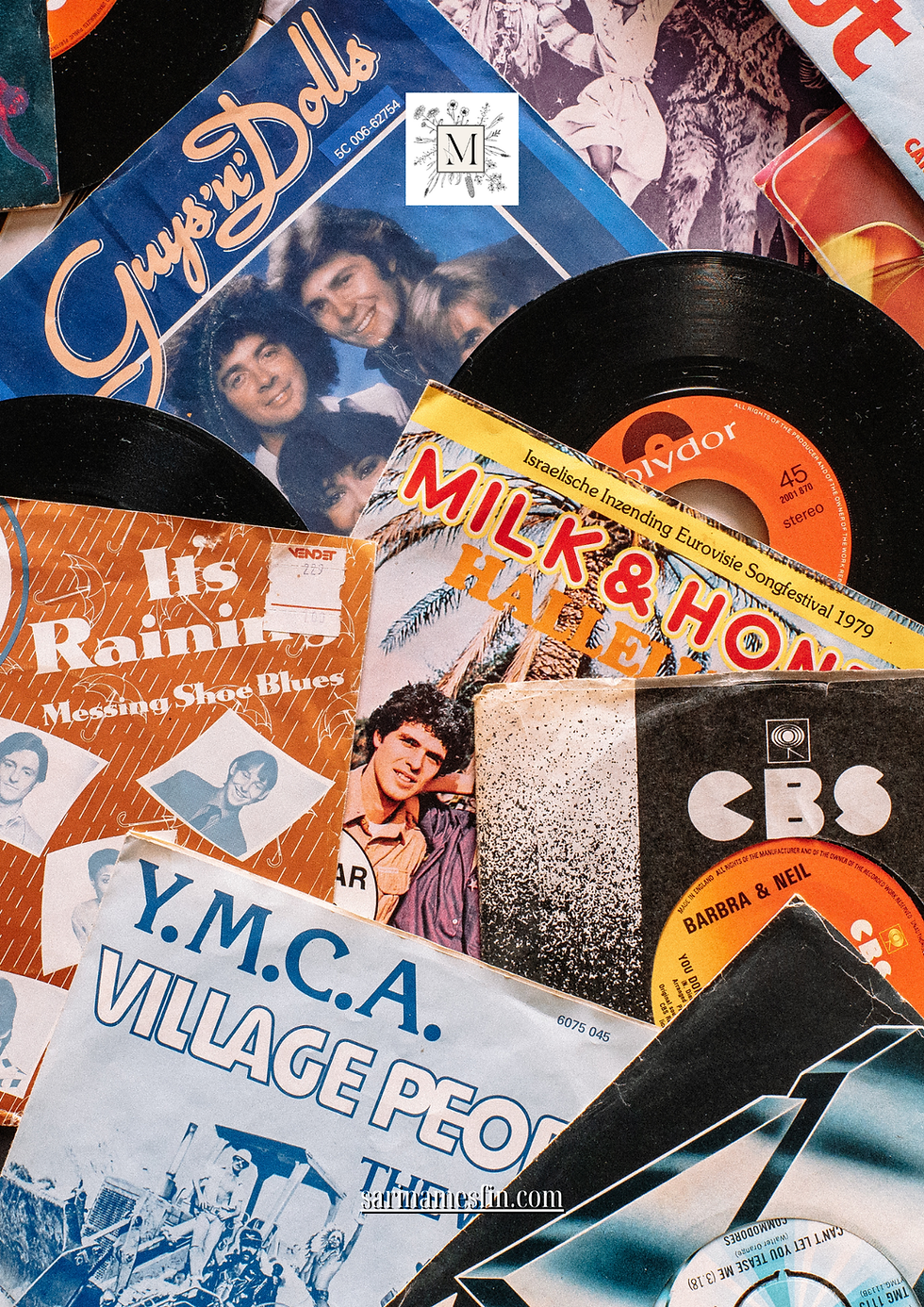
The tangible, for all its mess, is democratic. It’s harder to censor a book that’s already in a thousand hands. It’s impossible to delete a letter that’s already in someone’s drawer.
The Robotic Smile: Where Did the Human Warmth Go?
This loss of the tangible mirrors another loss: the human touch .
We now interact with screens instead of people. We navigate automated phone trees that tell us our “call is very important” while ensuring we never speak to a soul. We check out at self-service kiosks, our only human interaction a generic “unexpected item in the bagging area”.

Yes, robots and AI bring speed and efficiency. They eliminate human error in logistics and can provide 24/7 basic service. But what they can never provide is the shared moment of humanity - the warm smile of recognition from a shopkeeper, the empathetic tone of a customer service agent having a bad day but trying anyway, the spontaneous advice from a knowledgeable bookseller.

We are outsourcing not just labor, but connection. We are building a world that is frictionless, sterile, and profoundly lonely. The transaction is optimized, but the experience is tunneled out.
The Tangible Rebellion: What Can We Do?

This isn’t a call to break your smartphone or boycott the internet (oh no, no, no!). The digital world offers us amazing gifts. It’s a request for conscious balance.
Insist on Owning the Core. For the art, music and books that truly shape you, buy the physical copy or the Digital Rights Management-free digital file. Build a small, meaningful personal archive that no one can take from you.
Practice Digital Disobedience. Call a business and press “0” until you get a person. Go to a local store and ask a question. Choose the human line over the self-checkout when you have the time. These small acts vote for a human-centric world.
Print Your Photos. Take the most precious digital memories and give them a physical form. Put them in an album. Frame them. Make them real.
Support Tangible Institutions. Visit your local library and check out a physical book. Buy a newspaper. Subscribe to a print magazine. Keep the ecosystem of physical media alive.
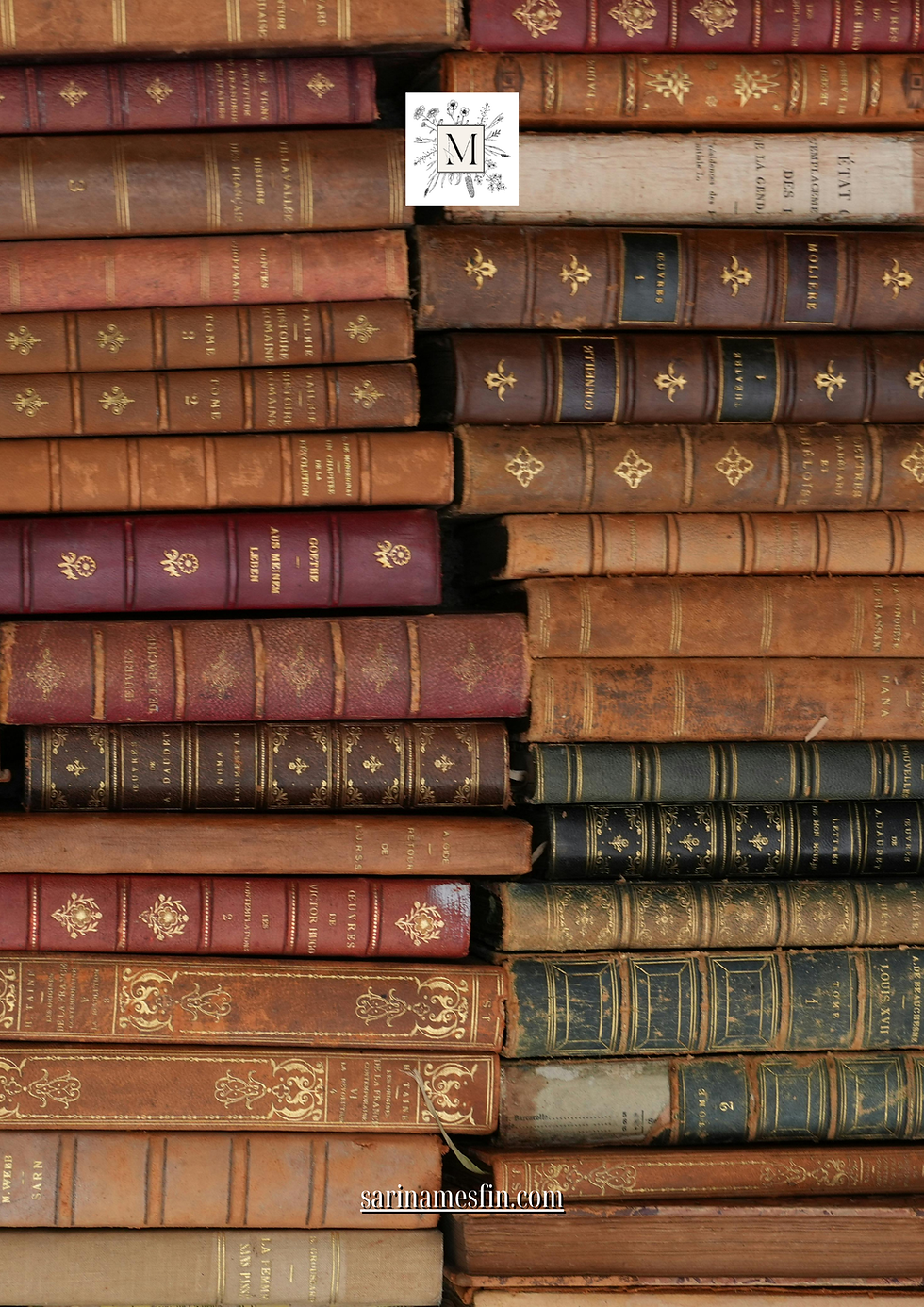
We must not confuse convenience for progress or efficiency for a better life. A life lived entirely in the cloud is a life without gravity - without the weight, texture, character and enduring proof of our own existence .
That box in the attic isn’t just old stuff. It’s a declaration: I was here. This happened. And no update can ever erase it.
So, please I beg you all - Let us not surrender all our boxes for a single, fragile, digital shelf.

P.S. - I’d love to hear from you. This topic lives in the stories we share. Tell me in the comments: Have you had a “box in the attic” moment? What’s one thing you refuse to digitize? Let’s keep the conversation - and the rebellion - going.
Love Always,
Sarina xx


Comments